Introduction
In emergency situation medical scenarios, the difference in between Basic Life Support (BLS) and Advanced Life Assistance (ALS) can be lifesaving. Both methods represent different degrees of care, training, and treatment in vital circumstances. While BLS concentrates on basic techniques that anyone can discover, ALS incorporates more advanced interventions normally performed by health care experts. This post aims to delve into the subtleties of Fundamental vs Advanced Life Support, offering a comprehensive understanding for laymans and professionals alike.
Basic vs Advanced Life Support: Recognizing the Secret Differences
When contrasting Basic vs Advanced Life Support, it's vital to recognize what each requires.
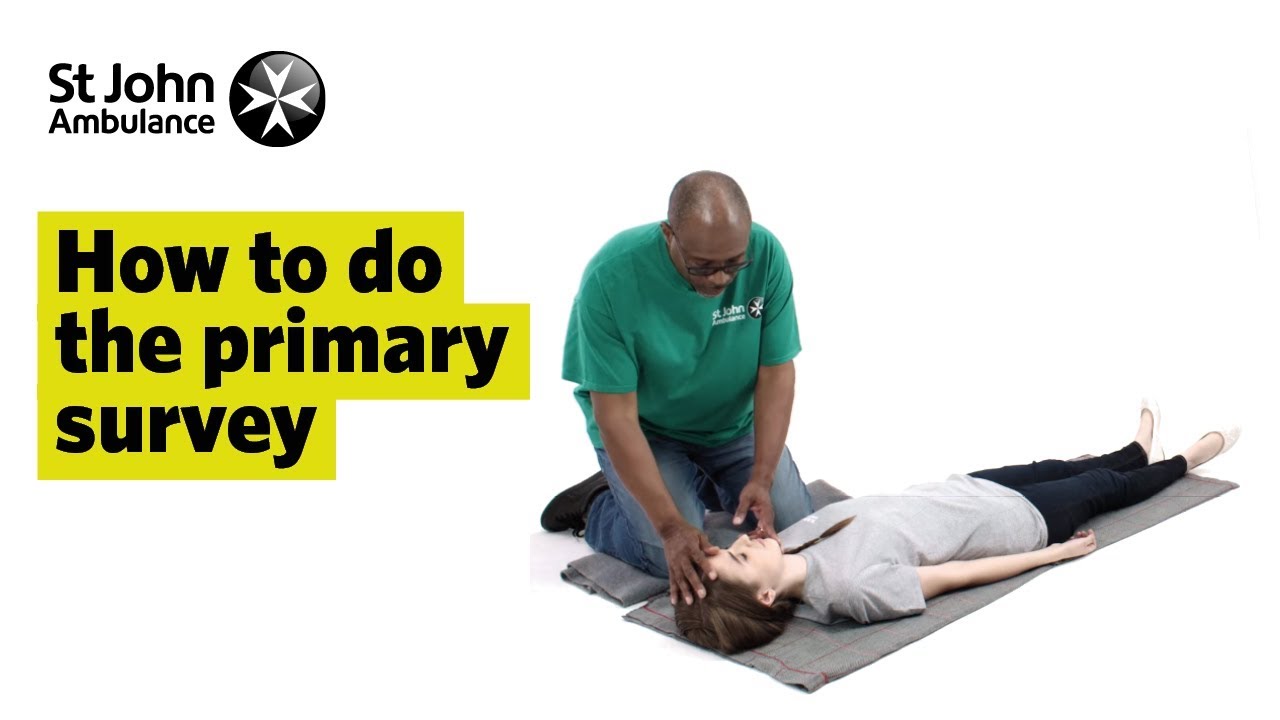
Basic Life Assistance (BLS) includes the preliminary actions required to endure life up until expert help arrives. This consists of:
- Checking Responsiveness: Evaluating if the individual is conscious. Identifying No Breathing: Identifying whether the casualty is taking a breath or needs immediate intervention. Taking Switches on Compressions: If mouth-to-mouth resuscitation is essential, it's critical to alternate rescuers to preserve reliable compressions.
On the various other hand, Advanced Life Assistance (ALS) includes more specialized procedures commonly reserved for experienced paramedics or medical employees. ALS might include:
- Hospital Codes and Methods: Complying with particular guidelines set by clinical institutions throughout emergencies. Public Defibrillator Use: Making Use Of AEDs (Automated External Defibrillators) to bring back regular heart rhythm. Advanced Air passage Monitoring: Methods such as intubation.
Both BLS and ALS are crucial in emergency situation situations but serve different roles and require varying levels of training and expertise.
The Importance of Basic Life Support
What Comprises Standard Life Support?
Basic Life Support mostly consists of:
Cardiopulmonary Resuscitation (CPR): An approach used when somebody is less competent and not breathing. Choking Alleviation Techniques: Maneuvers such as the Heimlich maneuver for subconscious individuals. Recognition of Heart attack Signs and symptoms: Knowing just how to recognize when someone requires prompt assistance.Key Parts of BLS Training
cpr courses brisbaneUnderstanding BLS training is vital for any person seeming prepared for emergency situations:
- Hands-on experiment mouth-to-mouth resuscitation techniques. Learning exactly how to operate an AED effectively. Familiarization with acknowledging indications of distress.
BLS Qualification: Why Is It Relevant?
Obtaining a BLS qualification has actually ended up being significantly important in numerous areas-- specifically health care, education and learning, and civil service. Lots of organizations mandate this qualification as a requirement for employment.
Who Needs to Learn Basic Life Support?
The solution is basic: every person! Whether you're an instructor, instructor, or simply a concerned resident, recognizing BLS can encourage you to act decisively in emergencies.
The Function of Advanced Life Support
Defining Advanced Life Support Procedures
Advanced Life Support goes beyond what laypersons can offer and includes:
Administration of medications Intravenous access Advanced respiratory tract managementTraining Needed for ALS
Professionals who give ALS should go through substantial training:
- Medical knowledge pertaining to pharmacology Skills for intrusive procedures Understanding health center codes and protocols
When Is ALS Necessary?
ALS comes to be essential throughout extreme medical emergency situations where fundamental steps are poor-- such as cardiac arrest or extreme injury instances needing prompt intervention.
Comparative Analysis: BLS vs ALS
|Attribute|Basic Life Support|Advanced Life Support|| ------------------------------|----------------------------|--------------------------------|| Training Level|Marginal (nonprofessional degree)|Extensive (medical professionals)|| Interventions|MOUTH-TO-MOUTH RESUSCITATION, AED use|Medicine management|| Tools Utilized|AEDs|IV equipment, intubation tools|| Range of Technique|First evaluation|Comprehensive emergency care|
This table shows significant distinctions in scope, training demands, and treatments between BLS and ALS.
Essential Skills for Efficient Basic Life Support
Checking Responsiveness: The Initial Step
The initial action when encountering an unresponsive individual is to inspect their responsiveness by carefully drinking them or calling their name loudly. If there's no feedback:
Call emergency situation solutions immediately. Begin CPR if there's no breathing detected.Identifying No Breathing: An Essential Evaluation
Knowing exactly how to identify no breathing can suggest the distinction between life and death:
Look for upper body rise and fall. Listen for breath sounds near the mouth. Feel for breath against your cheek.If there's no breathing discovered within 10 secs, begin CPR immediately.

Performing Reliable mouth-to-mouth resuscitation Strategies in BLS
Taking Activates Compressions: The Relevance of Teamwork
In a team setting during a resuscitation initiative:
Ensure that rescuers take transforms every 2 mins or after 30 compressions to stop fatigue. Keep track of time utilizing a clock or timer if available.This teamwork not only enhances effectiveness however guarantees continual high quality compressions throughout the process.
Lower Compression Deepness: A Common Mistake
Many individuals take too lightly the required deepness of chest compressions throughout mouth-to-mouth resuscitation:
- Aim for at least 2 inches deep in grownups while permitting full recoil in between compressions. A reduced compression depth can drastically lower blood flow effectiveness during cardiac arrest.
Advanced Strategies in Advanced Life Support
Hospital Codes and Methods: What You Required to Know
Understanding medical facility codes is necessary when working along with health care professionals throughout emergency situations:
Code Blue normally suggests heart attack; -responders ought to prepare accordingly. Familiarity with local methods ensures effective communication with health center personnel when EMS arrives.Public Defibrillator Use: Lifesaving Technology
AEDs are coming to be progressively typical in public spaces:
Most tools give audible directions; follow them closely. Ensure that no one is touching the person during defibrillation delivery.Utilizing an AED promptly boosts chances of survival dramatically adhering to heart attack events.
Maintaining Composure Under Pressure
In high-stress situations-- like carrying out CPR or coordinating rescue initiatives-- preserving calmness can be difficult yet important:
Take deep breaths before taking part in lifesaving measures. Delegate tasks among employee efficiently based on each person's capability; this decreases chaos.A tranquil demeanor helps make sure that activities taken are purposeful instead of rash or stressed-- vital in maintaining life up until specialist cpr classes close to me help arrives.
FAQ Section
Q1: What are some signs that somebody might need BLS?
A1: Signs include unresponsiveness, no normal breathing patterns, and noticeable distress showing possible heart attack or choking incidents.
Q2: How long does it take to obtain accredited in BLS?
A2: The majority of programs provide certifications within 4-- 6 hours; however, recertification is generally called for every 2 years because of updates in methods and strategies taught!
Q3: Can any individual execute basic life support?
A3: Yes! Although training isn't necessary legally speaking-- it's highly recommended-- to make sure reliable techniques are complied with properly!
Q4: What equipment is generally used throughout advanced life support?
A4: Tools may consist of IV kits, advanced airway management tools like laryngoscopes & & bags/masks designed especially for delivering oxygen effectively!
Q5: Just how does teamwork impact success rates throughout resuscitation efforts?
A5: Solid synergy allows better communication & & delegation which ultimately leads towards greater effectiveness rates when doing required lifesaving measures!
Q6: Is public gain access to defibrillation common?
A6: Absolutely! Numerous towns encourage positioning AEDs strategically throughout public venues-- enhancing total area safety and security greatly!
Conclusion
Understanding the distinctions between Standard vs Advanced Life Assistance equips individuals from all profession with vital abilities needed throughout emergencies! By incorporating academic knowledge with functional application-- everybody stands all set ought to they encounter a person encountering dire situations requiring immediate treatment! Whether you're thinking about obtaining your very own accreditation-- or merely educating yourself about these essential lifesaving procedures-- it's clear that being educated makes all of us much better prepared residents ready to provide aid when contacted! So proceed-- take that primary step in the direction of making a difference today!